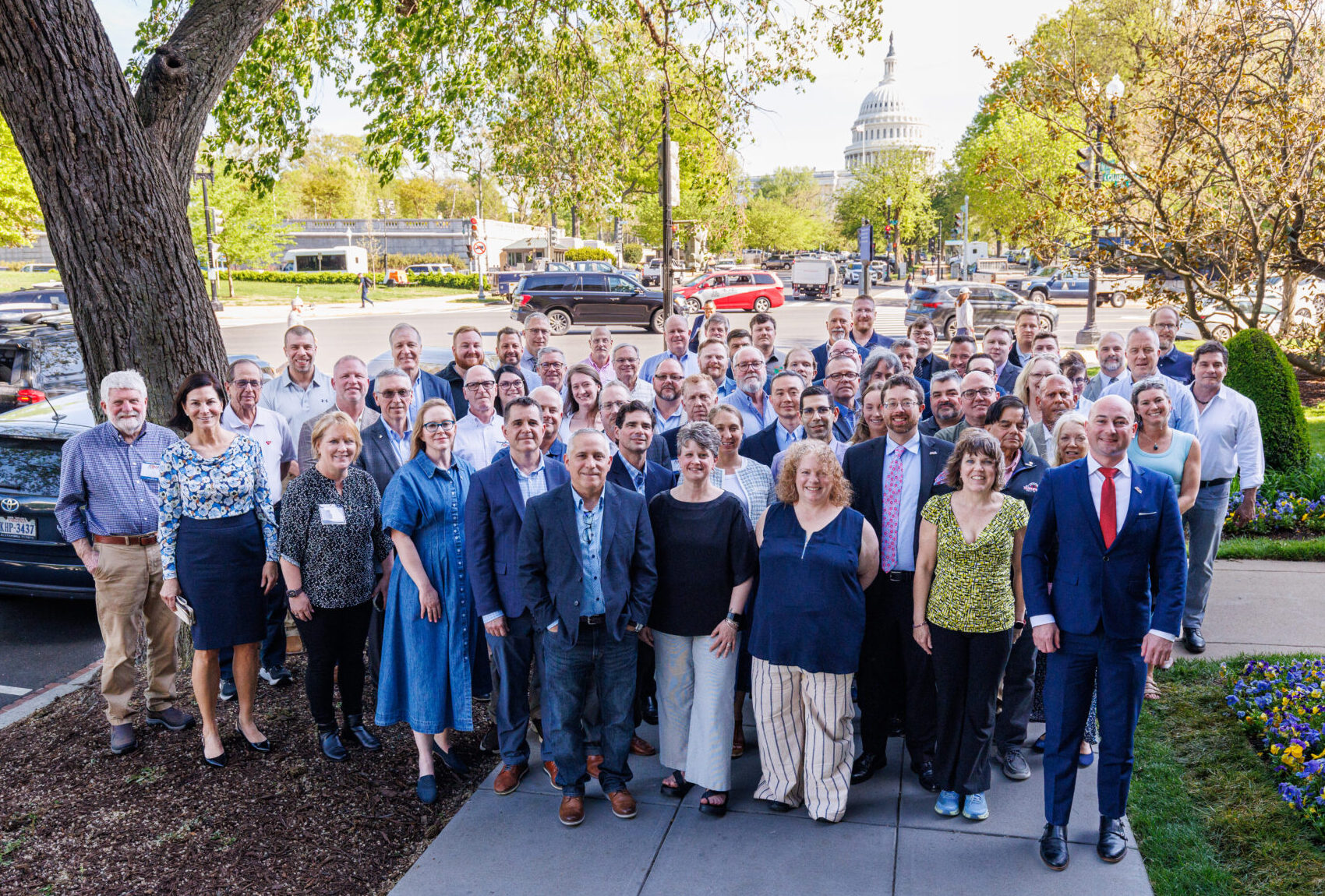
ABMA returned to Washington, D.C. for our 4th Annual Advocacy Day with something you could feel the moment you walked into the room—momentum.
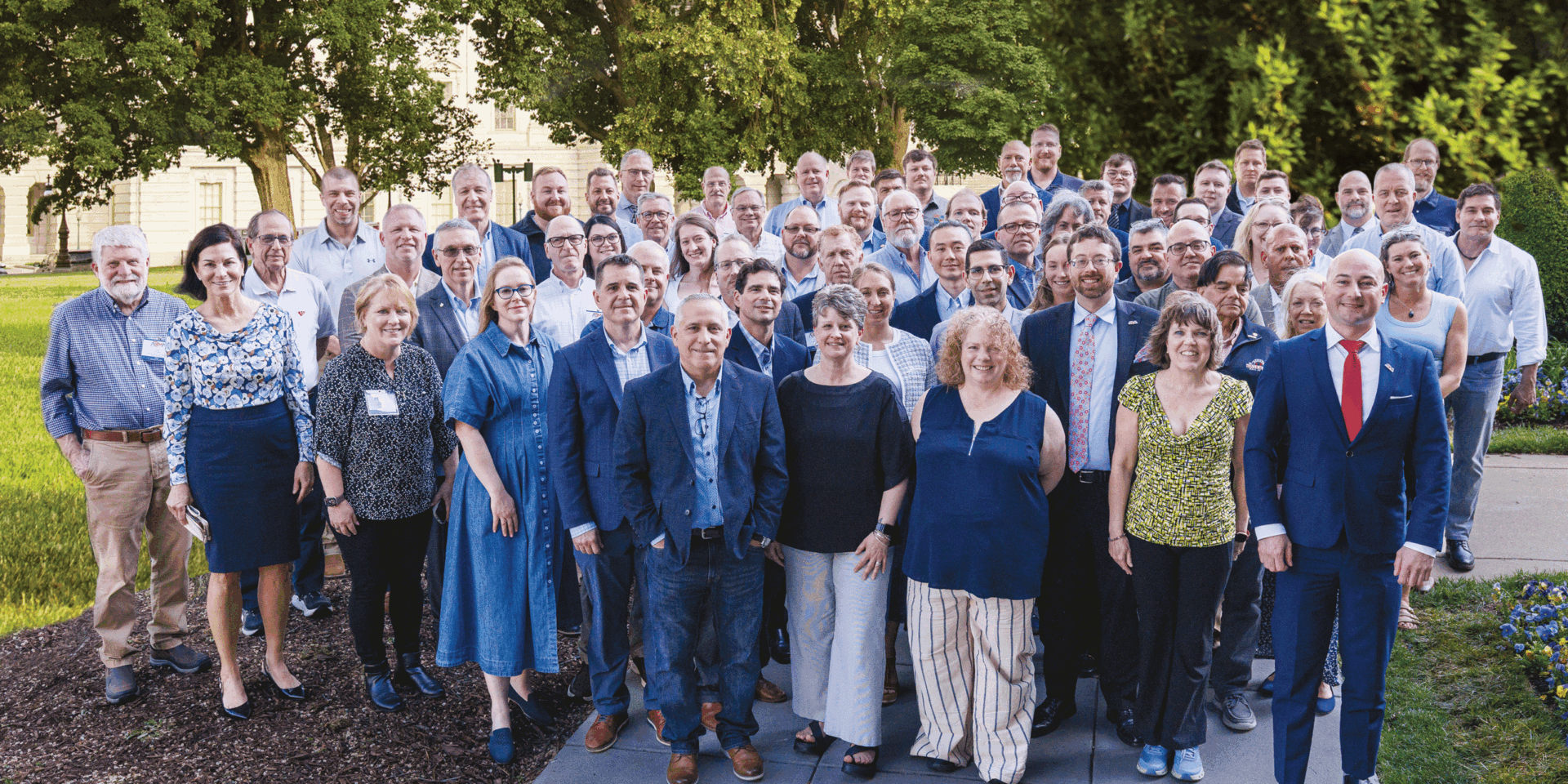
For the second year in a row, we saw record attendance. Nearly 80 leaders from across the lumber and building materials industry made the trip, representing nine states. Even more encouraging, close to a quarter of attendees were joined us for the first time. That matters. Because what makes this event work isn’t just the meetings, it’s the people. It’s business owners and operators who are busy running their companies but still make the time to show up, engage, and be part of something bigger than themselves.
Over two days, members participated in a full program designed to prepare and position them for meaningful conversations in Washington. We kicked things off with a briefing at YOTEL, followed by a panel discussion with Bruce Lundegren and Janice Reyes from the SBA Office of Advocacy, a dinner with SBA Deputy Administrator Bill Briggs, and then a full day of meetings on Capitol Hill.
But more important than the schedule was the focus.
This year’s theme was simple: affordability.
Every conversation we had, whether it was about housing, credit card fees, or regulatory reform, came back to one core idea: we need to put affordability at the center of decision-making in Washington. Not as an afterthought, but as a guiding principle. Because when affordability isn’t part of the equation, the cost shows up somewhere, and increasingly, it’s showing up in places Americans can’t afford.
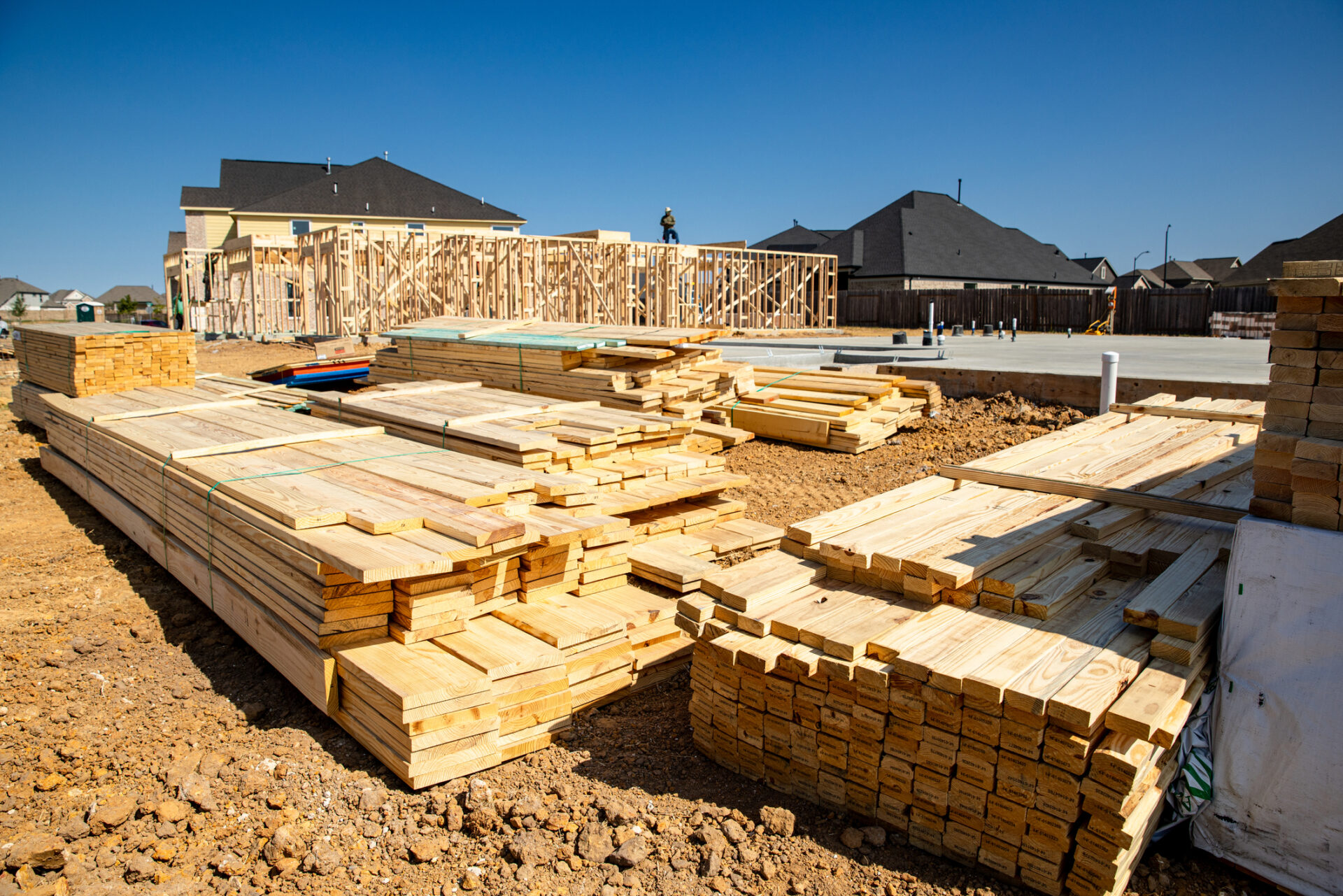
Housing was front and center in nearly every meeting. We talked about the cost of government baked into the price of a new home—delays, mandates, and uncertainty that, according to recent estimates, now add more than $100,000 to the cost of building. That number gets attention. And it should. Because if we are serious about getting America building again, we have to address the policies that are driving those costs.
We also spent a lot of time on an issue that continues to surprise policymakers: credit card swipe fees.
Time and again, members shared the same message that these fees have quietly become one of the top costs of doing business, often ranking just behind payroll and healthcare. In some cases, they’ve even surpassed healthcare. That’s not something most lawmakers expect to hear. But when they do, it changes the conversation. Because these fees don’t just impact businesses, they’re built into the price of goods and services, affecting every customer that walks through the door.
Regulatory reform rounded out the core of our message. Not in a broad, abstract way, but in a very practical sense, how do we ensure regulations achieve their goals without creating unnecessary burden?
That’s where one of our key priorities, the PROVE IT Act, comes into play. Many offices were unfamiliar with the proposal, which underscores why showing up matters. The bill would require comprehensive cost-benefit analysis for new regulations, helping ensure that affordability and real-world impact are part of the rulemaking process from the start.
Throughout the day, what stood out most wasn’t just the issues; it was the reaction. Members consistently reported that lawmakers and staff were engaged, asking questions, and in many cases, surprised by what they were hearing. That’s the value of bringing real-world experience into these conversations. It grounds policy in reality.
We also saw strong participation across the board. New York once again led the way with the largest delegation, but Massachusetts and Pennsylvania continue to build their presence year after year.
At the end of the day, what makes Advocacy Day effective isn’t any single meeting or moment. It’s the collective effort.
Each person who attends might see one piece of it: a meeting, a conversation, a day on the Hill. But when you step back, you realize it all adds up. It builds momentum. It moves the conversation. And over time, it drives real results.
That’s what we’re seeing now.
ABMA is showing up with a clear message, a growing coalition, and a track record of getting things done. And as we look ahead, that momentum isn’t slowing down.
Because this isn’t just about our industry.
It’s about building an economy where businesses can operate, where regulations make sense, and where the average American can afford a home.