LBM retailers say landmark bipartisan housing legislation will cut red tape, expand supply, and support suppliers across the country.
FOR IMMEDIATE RELEASE
June 24, 2026
RENSSELAER, N.Y., June 24, 2026 — Lumber and building material dealers are celebrating today’s final congressional passage of the 21st Century ROAD to Housing Act, a sweeping bipartisan housing package that will reduce regulatory barriers to construction, expand the supply of affordable homes, and strengthen the businesses that supply the materials builders need. Having now passed both the U.S. House of Representatives and Senate with overwhelming bipartisan support, the legislation is headed to President Trump’s desk.
Today, President Trump canceled the planned signing of the 21st Century ROAD to Housing Act demanding that Congress first pass the SAVE America Act, (Safeguard American Voter Eligibility Act) requiring individuals to provide documentary proof of U.S. citizenship to vote in federal elections which has stalled in the Senate. If Congress stays in session, the housing bill could become law automatically after 10 days without a signature, or Congress could override a veto. However, if Congress adjourns within that 10-day window, Trump could kill the bill entirely through a pocket veto with no possibility of an override.
For retail lumber and building material dealers, who supply the framing, millwork, and other essential products behind nearly every home built in America, the legislation represents a long-sought step toward addressing the regulatory cost burdens that have made housing increasingly unaffordable. The bill’s provisions will streamline environmental reviews, modernize manufactured housing rules, and unlock private investment in housing, which will translate directly into more building activity and increased demand for building material supplies.
“This bill recognizes something our members have known for years: every regulatory delay and every unnecessary cost added to a housing project gets passed down the chain, and it’s families who pay the price,” said ABMA Chair Rod Wiles, vice president of human resources at Hammond Lumber Company. “ABMA and its member associations have been advocating for commonsense housing reform for a long time, and the final passage of this legislation is a real win for the dealers, suppliers, and builders who keep this country’s housing supply moving.”
The legislation’s path through Congress was shaped in part by Massachusetts industry advocates who worked directly with the office of Senator Elizabeth Warren, Ranking Member of the Senate Banking, Housing, and Urban Affairs Committee and a lead co-author of the legislation alongside Committee Chairman Tim Scott (R-S.C.).
“Our members do business in one of the toughest regulatory and cost environments in the country, so we made it a priority to work directly with Senator Warren’s office to make sure the realities facing Massachusetts lumber and building material dealers were part of this conversation,” said Jay Mahoney, president of the Massachusetts Retail Lumber Dealers Association (MRLDA) and president of Fairview Millwork. “Senator Warren’s office was a genuine partner throughout this process, and this bill reflects input from people who actually run yards and serve builders and homeowners every day.”
“As Florida continues to experience tremendous population growth, the need for attainable housing has never been greater,” said Kristina Berano, executive director of Florida Building Material Association (FBMA). “This legislation takes important steps toward removing barriers that slow housing production and drive-up costs. Florida’s lumber and building material dealers see firsthand the challenges builders face, and we are encouraged to see Congress come together on solutions that will help increase housing opportunities for families while supporting the businesses that supply the construction industry.
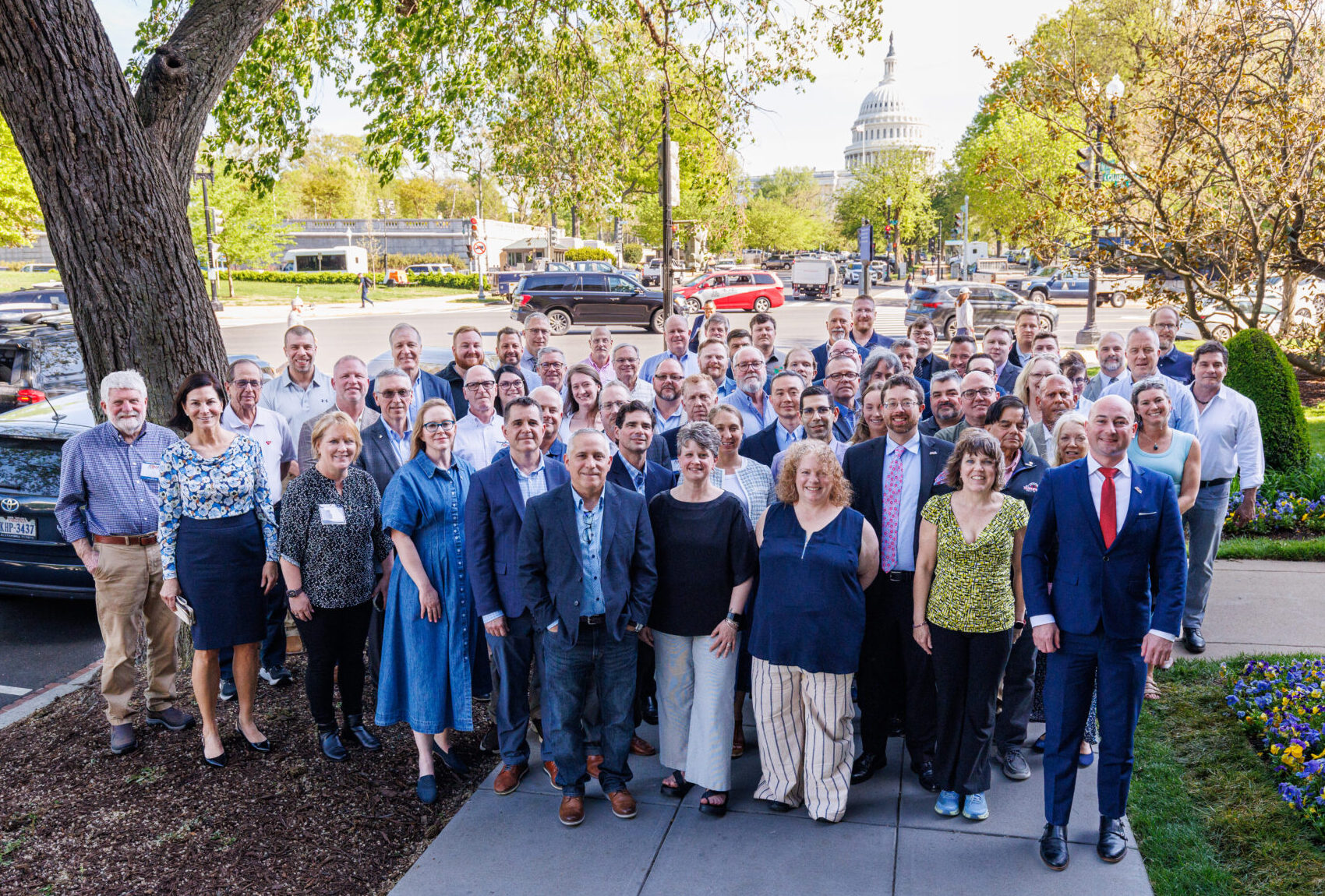
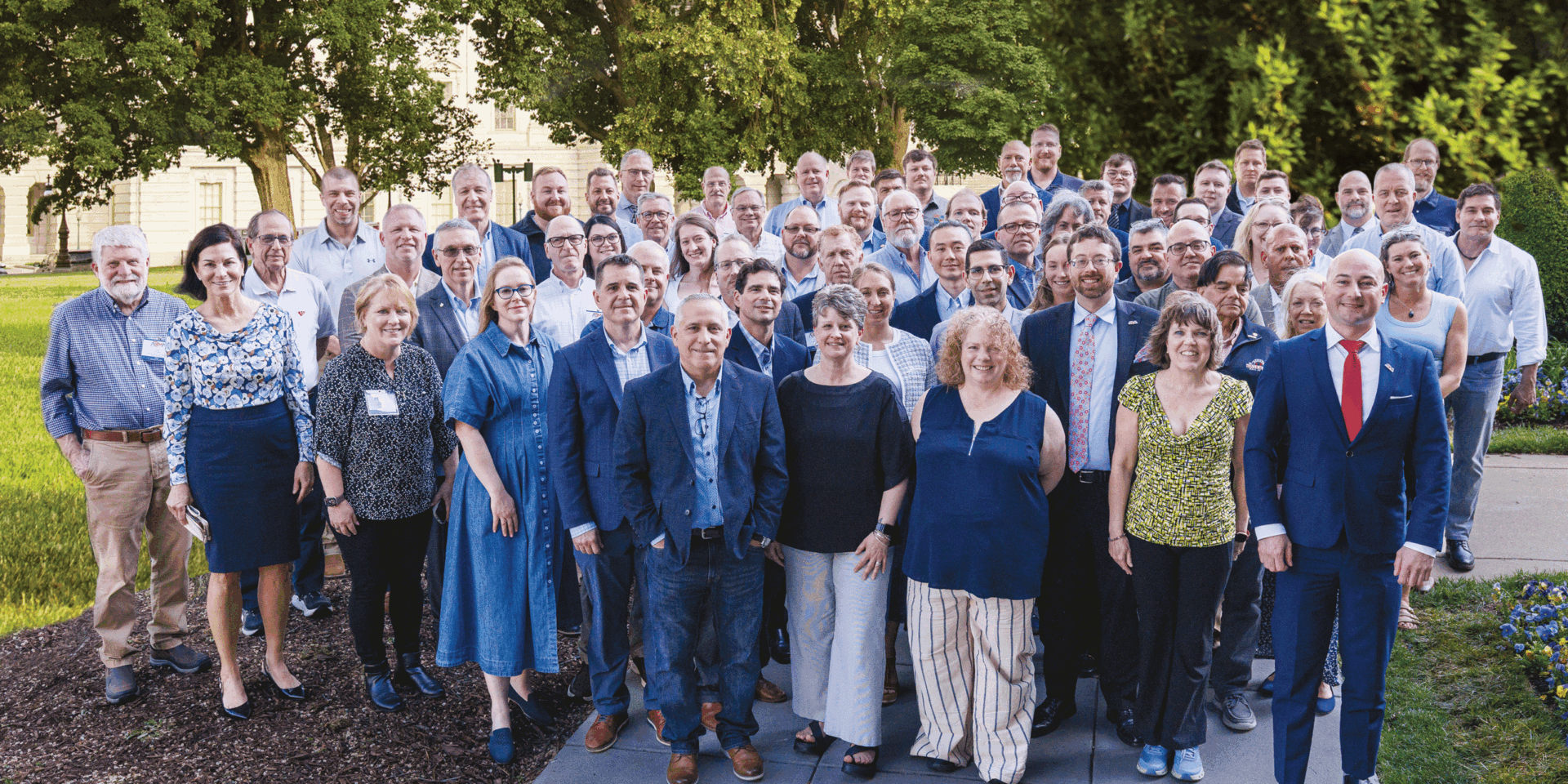
MRLDA members didn’t stop at conversations with congressional staff. Many traveled to Washington, D.C., for Advocacy Day and continued pressing the issue with lawmakers in the months that followed.
With final congressional approval secured, industry leaders are now looking ahead to implementation and the housing production opportunities the legislation is expected to create.
“This is a powerful reminder of what associations are for,” said NRLA President Rita Ferris, “No single dealer can move legislation like this alone, but together, our members have a voice in Washington that gets results. We are grateful to the bipartisan coalition of lawmakers who worked to advance this legislation and look forward to seeing it signed into law.”
About the American Building Materials Alliance
The American Building Materials Alliance (ABMA) is a coalition advocating on behalf of the lumber and building materials industry at the federal level, representing LBM dealers and associated businesses across 17 states and Washington, D.C. ABMA is powered by the Northeastern Retail Lumber Association (NRLA) and the Florida Building Material Association (FBMA).
About the Massachusetts Retail Lumber Dealers Association
The Massachusetts Retail Lumber Dealers Association (MRLDA) represents, unites, educates, and supports Massachusetts retail lumber and building material dealers and is one of the state and local associations that make up the Northeastern Retail Lumber Association.
About the Northeastern Retail Lumber Association
The Northeastern Retail Lumber Association (NRLA) represents independent lumber and building material dealers across the Northeast through its network of state and local associations, providing legislative advocacy, education, and member services to the LBM industry.