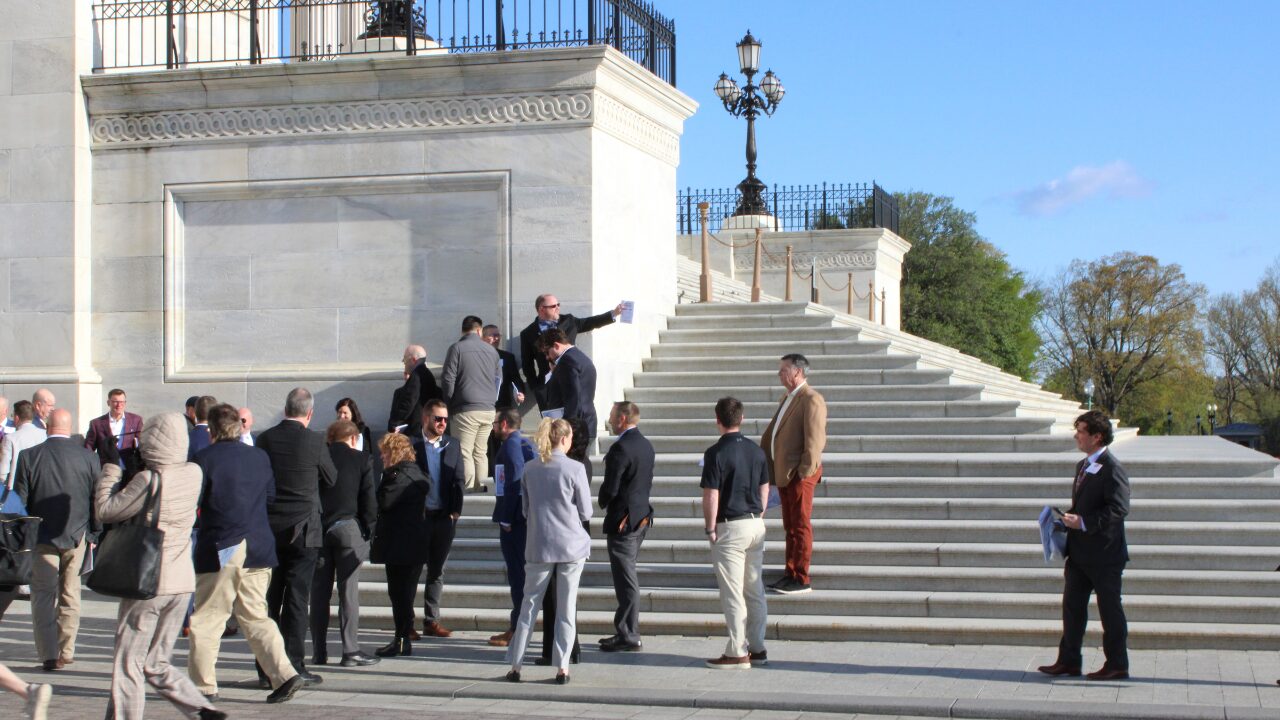
We are officially one month away from ABMA’s trip to Washington, D.C., and preparations are underway for what will be an important set of conversations with policymakers.
If you plan to attend, do not wait to register. The hotel room block closes March 20, and rooms at the conference rate may not be available after that date.
The registration fee is $149, and many of our local associations offer reimbursements to help offset travel expenses. Be sure to check the event page for details specific to your state or region.
This year we are especially excited to welcome nearly 20 first-time attendees who have stepped up to join us in Washington.
For those who have not attended before, Advocacy Day is designed to be a supportive and collaborative experience. ABMA staff handle the logistics, from scheduling meetings with members of Congress to coordinating the day’s agenda and preparing materials—so participants can focus on sharing their perspectives. ABMA staff will also be present in every meeting to help guide the conversation and ensure members feel comfortable and prepared.
Throughout the day you will be joined by colleagues from across the industry, many of whom have been coming to Washington to advocate for the lumber and building materials industry for years.
Importantly, these meetings are not about debating the intricate details of legislation. Instead, they are about sharing the real-world stories behind our industry. Members of Congress want to hear how our businesses operate and how federal policy affects the communities we serve.
Those conversations often center on simple but powerful themes: how our businesses thrive when the housing market is strong, how rising credit card fees are influencing day-to-day business decisions, and why regulations that recognize the realities of small business operations are so important.
Many members of Congress already have relationships with ABMA dealers in their districts—not only because we visit Washington each year, but because our members stay engaged locally by attending community events and hosting yard tours with their elected officials. Advocacy Day provides an opportunity to build on those relationships while communicating the needs of our industry.
ABMA Advocacy Priorities
As we head to Capitol Hill, ABMA members will focus on three core priorities affecting the cost of housing and the ability of locally owned building material dealers to compete and grow.
Housing Supply and Affordability
Key legislation: Housing for the 21st Century Act and the ROAD to Housing Act
Congress is currently considering a bipartisan housing package aimed at increasing supply and improving affordability. The legislation includes provisions to encourage zoning reform, expand financing tools for housing development, and reduce regulatory delays that slow construction.
ABMA supports the effort to address housing supply and recognizes the importance of bipartisan momentum on this issue. At the same time, stronger action is needed to move the needle in a meaningful way.
That is why ABMA has developed the Building Homes – Not Costs plan. The proposal focuses on controlling the cost of government mandates and delays in the building process—two factors that significantly drive up the cost of new housing.
During our meetings in Washington, ABMA members will encourage Congress to build on the current legislation and pursue solutions that more closely align with the Building Homes – Not Costs approach.
Credit Card Swipe Fees
Key legislation: Credit Card Competition Act
The Credit Card Competition Act has been a top priority for ABMA and the retail building materials industry for years.
Today, two payment networks dominate the credit card market, allowing them to set interchange fees with little competitive pressure. These fees continue to rise and are ultimately paid by merchants and their customers.
Passing this legislation has proven difficult. The effort has been mired in a pitched battle against some of the largest financial institutions in the world.
However, recent developments—including the President’s endorsement of the bill—have created new momentum. For the first time in several years, there is a real opportunity for Congress to advance reforms that introduce competition into the credit card network system and help lower costs for businesses and consumers.
Regulatory Reform for Small Businesses
Key legislation: Prove It Act
Federal regulations often place a disproportionate burden on small businesses. Large corporations have teams dedicated to compliance, but independent businesses must manage those requirements with far fewer resources.
The Prove It Act strengthens protections for small businesses under the Regulatory Flexibility Act by requiring federal agencies to more rigorously evaluate how regulations affect small companies before they are implemented.
The goal is simple: ensure the regulatory system works for small businesses, not just the largest corporations.
For ABMA members, this legislation represents an important step toward maintaining a regulatory environment where locally owned businesses can continue to compete and thrive.