The American Building Materials Alliance (ABMA) continues working to ensure the concerns of lumber and building material dealers are represented in discussions surrounding U.S.-Canada trade relations. This week’s Advocate explores ABMA’s engagement with Canadian officials and what ongoing trade tensions mean for the building materials industry. This is the first installment in a three-part series
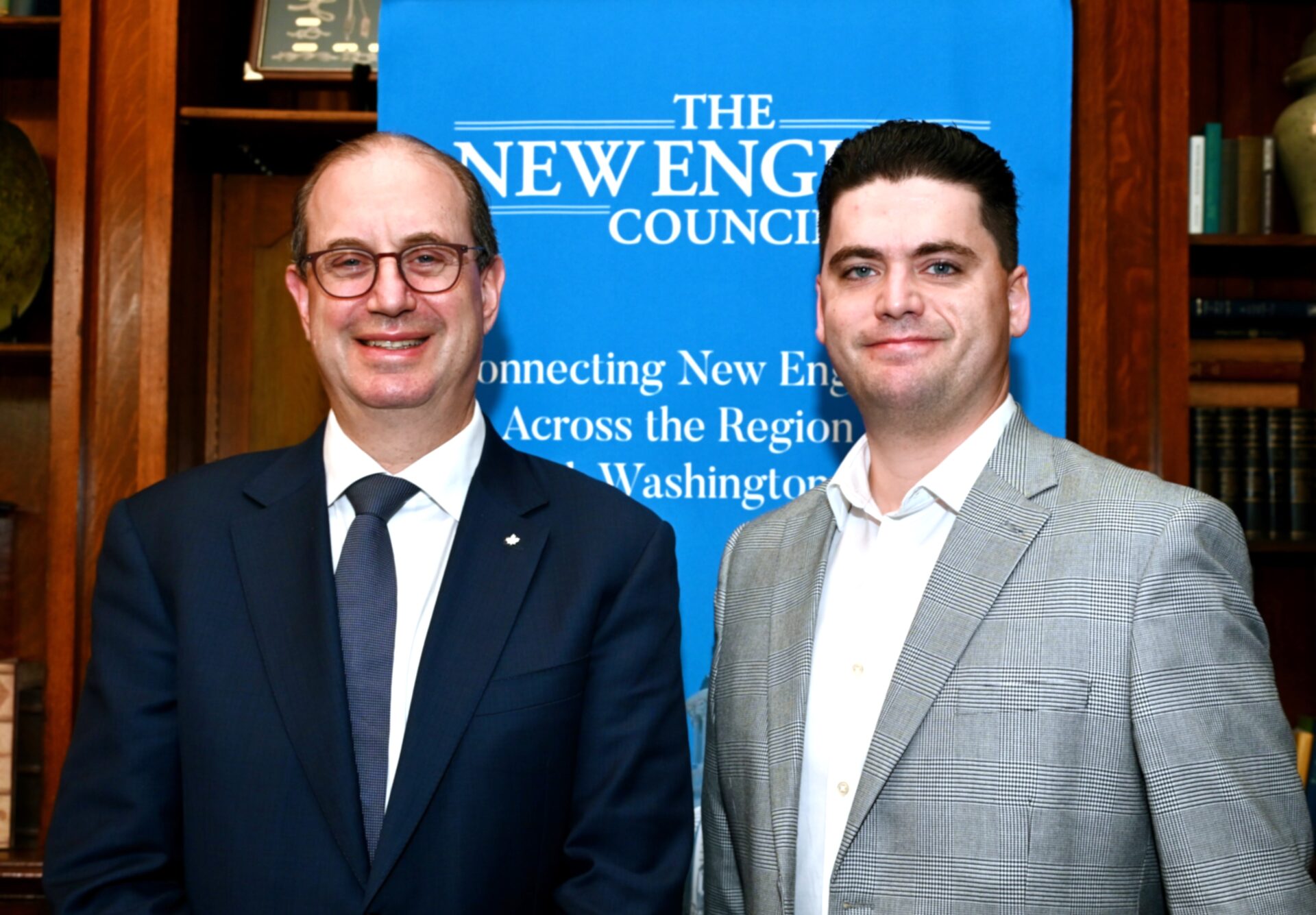
This week, Kevin Scorsone, Director of Legislative & Regulatory Affairs for ABMA, traveled to Boston, Massachusetts, to participate in meetings focused on trade, tariffs, and the economic relationship between the United States and Canada. During the visit, Scorsone attended a breakfast with Canadian Ambassador to the United States Mark Wiseman and established connections with Canadian Consulate representatives throughout the Northeast.
The discussions highlighted the importance of the cross-border relationship, which supports approximately $1 trillion in annual trade and connects businesses, manufacturers, distributors, and suppliers across both countries.
For the lumber and building materials industry, this relationship is especially important. Canadian lumber and other building materials play a significant role in the U.S. market, and changes in trade policy can affect purchasing decisions, material availability, and costs throughout the supply chain.
Section 232 tariffs have created additional challenges for businesses operating in both countries. Trade uncertainty and shifting deadlines make it more difficult for independent dealers to plan ahead, manage inventory, and provide reliable pricing to customers.
Scorsone emphasized the difficulties these policies create for building material dealers.
“I think it’s fair to say that at this point, the tariffs are not helping our membership. High tariffs are continually difficult to manage, and they create uncertainty and shifting deadlines that lead to frustration for both our members and the people that they serve,” said Scorsone.
Canadian Ambassador Mark Wiseman acknowledged the challenges facing the bilateral relationship while emphasizing the longstanding economic ties between the two countries. Although differences remain over trade policy, he stressed the importance of continued communication and incremental progress.
For ABMA, the meetings represent an opportunity to communicate the practical consequences of trade policy directly to Canadian representatives and other regional stakeholders.
As trade discussions continue, ABMA will remain engaged in advocating for a more predictable business environment that supports independent dealers, suppliers, and the communities they serve.