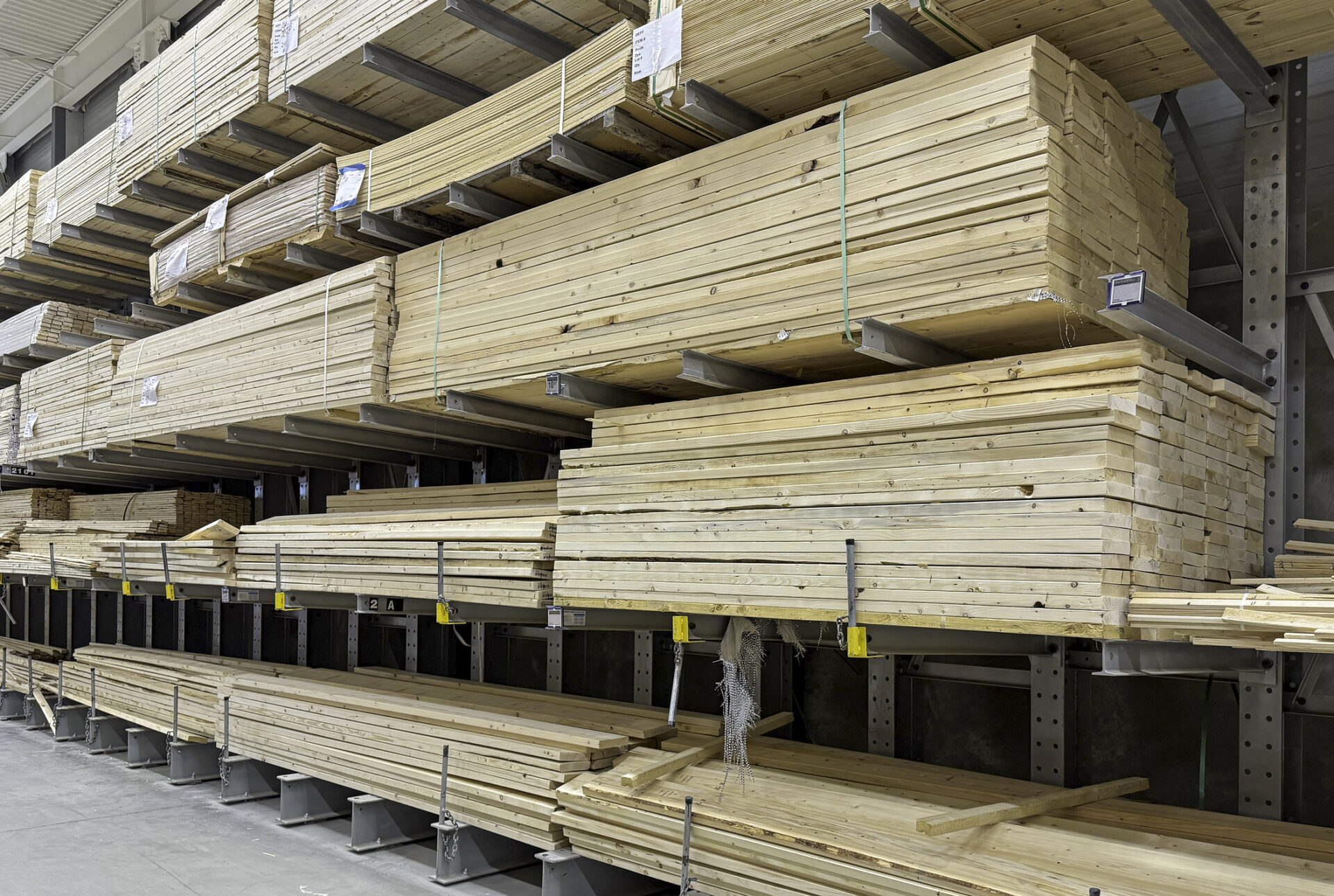
The American Building Materials Alliance (ABMA) is deeply concerned by the recent escalation of trade barriers and tariffs between the United States and Canada. As the backbone of residential construction and home improvement across the Northeast and Florida, our lumber and building material dealers rely heavily on a stable and predictable supply chain. Canadian softwood lumber and other materials that contribute to our industry are essential components in meeting regional housing demand.
Arbitrary tariffs and escalating trade friction impose an immediate, avoidable tax on hardworking American builders, contractors, and ultimately home buyers through higher material costs. Our industry has already been greatly impacted by rising material costs, including kitchen cabinets and other building products.
The current situation is particularly concerning for softwood lumber:
- Canadian softwood lumber continues to face significant U.S. duties, with antidumping and countervailing duties adding substantially to the cost of Canadian imports.
- The United States relies heavily on imports to meet softwood lumber demand. Imports have historically supplied roughly 25–30% of U.S. softwood lumber consumption, with Canada providing the overwhelming majority of imported supply.
- Effective September 8, 2026, Canada imposed new retaliatory tariffs covering approximately $27.6 billion in U.S. imports. The measures include tariffs on certain wood products, including a 25% tariff on specified softwood lumber products and tariffs of up to 50% on certain plywood and laminated wood products.
With domestic production unable to immediately replace Canadian supply, escalating tariffs risk higher costs throughout the building materials supply chain.
ABMA urges federal leaders from both nations to return to the negotiating table immediately, dismantle these damaging trade barriers, and secure a lasting trade framework that protects supply chain stability, supports housing construction, and promotes regional economic growth.