UPDATE: Congress and President Repeal Advanced Clean Truck Federal Authorization Following ABMA Advocacy
The American Building Materials Alliance (ABMA) has secured a major regulatory victory for the lumber and building materials (LBM) industry with the successful repeal of the federal authorization underpinning the Advanced Clean Truck (ACT) regulations which allowed 11 states to adopt California’s model for forced transition to all-electric trucks. Adopters included NY, MA, NJ, OR, WA, VT, CO, MD, NM, and RI.
Following sustained advocacy by ABMA and its members, Congress passed legislation repealing the federal authorization that allowed states to impose ACT mandates, and the President has now signed that repeal into law. As a result, states will no longer be able to enforce ACT requirements that restricted truck availability and imposed significant new costs on LBM businesses.
This outcome directly addresses the root of the ACT issue: the federal approval that enabled a patchwork of state-level mandates with serious unintended consequences for small and mid-sized suppliers.
The Cost Reality Behind ACT
ACT regulations imposed costs that LBM businesses could not realistically absorb:
-
Diesel medium-duty trucks typically cost $70,000–$90,000
-
Electric equivalents ranged from $150,000–$250,000
-
Charging infrastructure often added $50,000–$200,000 per charger
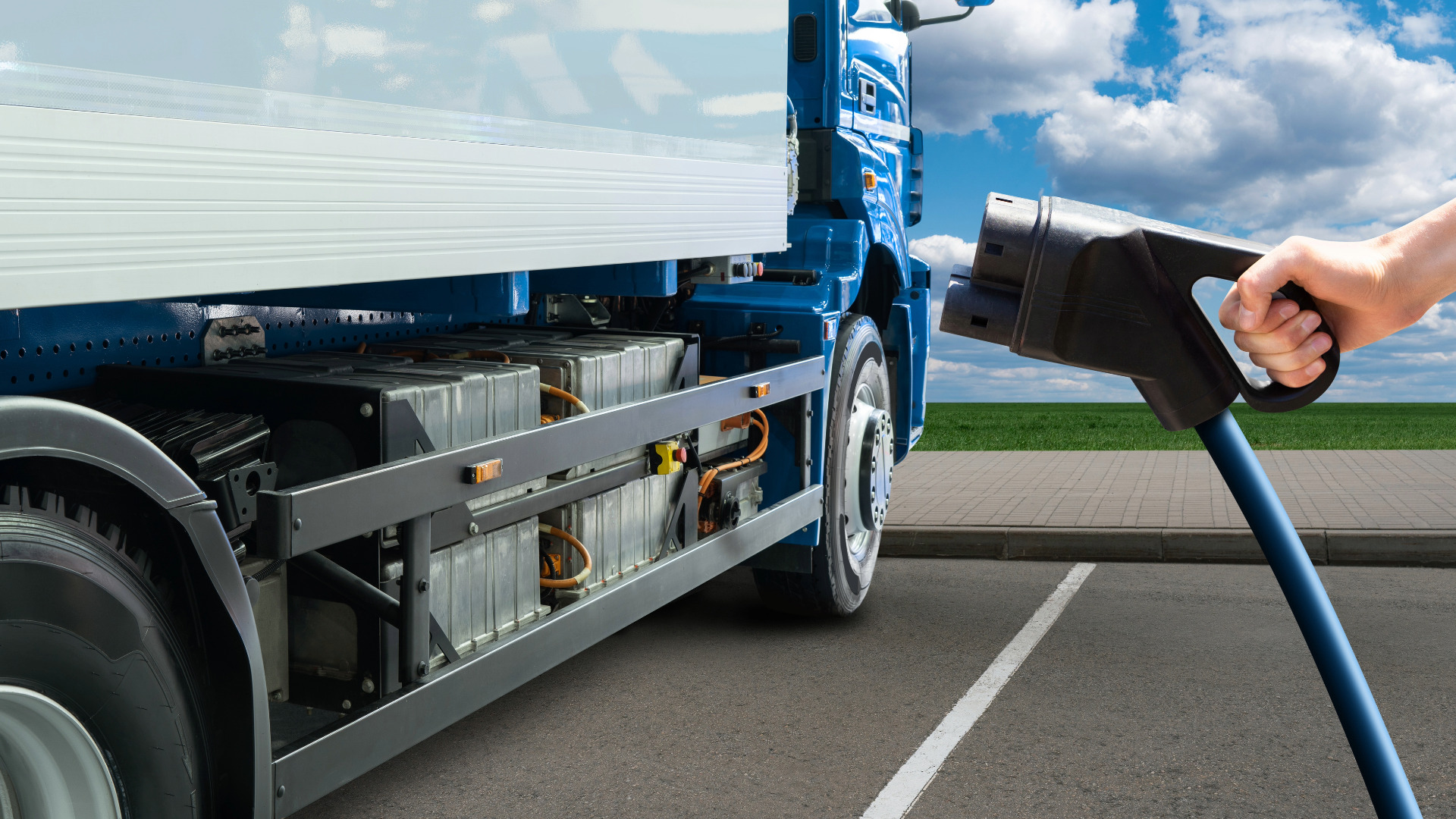
Operational challenges compounded those costs. Battery weight reduced payload capacity by 2,000–5,000 pounds, requiring more trucks to move the same volume of materials. Limited charging infrastructure and long charging times further strained delivery schedules critical to construction timelines.
From Advocacy to Action
Earlier this year, ABMA urged the Environmental Protection Agency, under Administrator Lee Zeldin, to rescind the federal authorization enabling ACT rules. That advocacy helped prompt congressional review and ultimately legislative action.
With the repeal now enacted, LBM businesses gain regulatory certainty and relief from mandates that were misaligned with current technology, infrastructure, and workforce realities.
The American Building Materials Alliance (ABMA) is taking decisive action against the root of the Advanced Clean Truck (ACT) regulations—the federal authorization that allows states to impose these mandates.
The ABMA has formally written to EPA Administrator Lee Zeldin, urging the agency to rescind the federal authorization that enables states to enforce ACT regulations. Without this authorization, states like New York, Massachusetts, Vermont, and New Jersey would no longer have the power to impose these disruptive mandates, which are already causing significant challenges for LBM businesses.
ABMA members have been vocal in raising concerns, including:
- TJ Shaheen, President of the New Jersey Building Materials Dealers Association (NJBMDA) and Vice President of Builder’s General, reports that NJBMDA members are already facing challenges due to ACT regulations.
- Rob Bicknell, President of the Northern New York Lumber Dealers Association and Vice President of Bicknell Corporation, confirms that LBM businesses in New York are also struggling with truck availability.
- Tony Shepley, President of Shepley Wood Products in Massachusetts, has raised concerns publicly, even sending a letter directly to Governor Maura Healey outlining the negative impact of ACT regulations.
- Jeremy Baker, Legislative Chair of the Vermont Retail Lumber Dealers Association and Fleet & Safety Director for rk Miles, reports the same truck availability issues affecting LBM businesses in Vermont.
At the state level ABMA members have also penned letters to the editor in their communities, highlighting the challenges these regulations create for LBM businesses.
The financial burden of ACT regulations is staggering for LBM businesses, which rely heavily on medium-duty trucks for deliveries. A diesel-powered medium-duty truck typically costs $70,000 to $90,000, while an electric equivalent costs $150,000 to $250,000—a difference of up to $160,000 per truck. Beyond the upfront costs, businesses also face charging infrastructure expenses, which can range from $50,000 to $200,000 per charger, depending on power requirements and site upgrades.
Operationally, electric trucks are not a one-for-one replacement for diesel. Battery weight reduces load capacity, often cutting payloads by 2,000 to 5,000 pounds, meaning more trucks are needed to move the same amount of material. Limited charging infrastructure and long charging times further disrupt delivery schedules, creating significant logistical challenges for businesses that depend on efficiency.
EPA Administrator Zeldin Responds
Following ABMA’s communications with the EPA, Administrator Zeldin announced that the agency will move to revoke the federal authorization that allows states to adopt ACT regulations. Under Zeldin’s leadership, the EPA will begin the formal process by submitting reports to Congress, to have the rule rescinded.
This development marks a significant step in ABMA’s fight to protect LBM businesses from costly and disruptive mandates. ABMA will continue to work with federal policymakers and industry leaders to ensure that regulatory reforms reflect the realities of the supply chain and workforce challenges facing LBM businesses today.