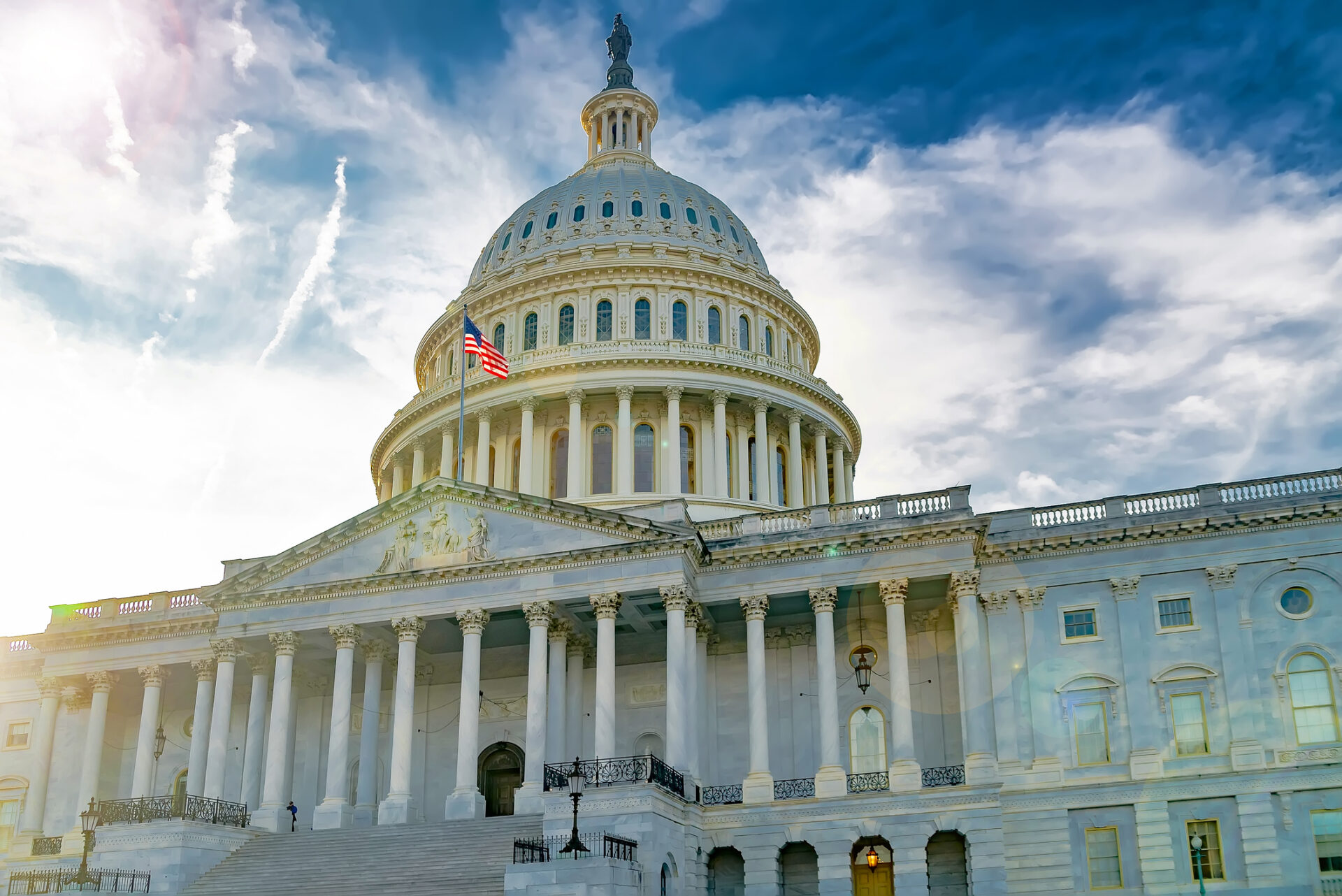
Last week’s election resulted in a significant victory for the Democratic Party, with Democrats gaining seats in the U.S. Senate, the House of Representatives, and governorships across the country. The results represent a substantial shift in the political landscape and will have a meaningful impact on the legislative environment heading into 2027.
With control of Congress shifting, the next two years are expected to bring increased debate over the Trump administration’s policies and a different legislative dynamic in Washington. While final seat counts are still being determined, one thing is clear: the political landscape is changing, bringing both challenges and opportunities for the lumber and building materials industry.
For ABMA members, several issues deserve particular attention.
Trade Policy and Tariffs
Trade policy will remain one of the most important issues facing our industry. Democrats have indicated that they intend to challenge the administration’s tariff policies and seek a greater congressional role in trade decisions. Tariffs directly affect lumber, imported building materials, inventory costs, and ultimately the prices our members pay and pass along to their customers.
ABMA will continue advocating for fair and predictable trade policies that provide members with the certainty they need to purchase inventory, manage costs, and remain competitive.
Credit Card Processing Fees
Credit card swipe fees continue to represent a significant operating expense for independent lumber dealers and building material suppliers. ABMA will maintain its support for the Credit Card Competition Act (CCCA) and efforts to introduce greater competition into the credit card processing market.
With a new Congress and the departure of several key sponsors of the Credit Card Competition Act, ABMA will need to continue building bipartisan support and educating incoming legislators about the financial impact these fees have on independent businesses.
Taxes and Small Business Investment
Tax policy will be another important issue as Congress considers future legislation and the scheduled expiration of certain provisions of the One Big Beautiful Bill Act in 2028. ABMA will continue advocating for tax policies that support family-owned and independent businesses, encourage capital investment, and allow dealers to reinvest in their employees, equipment, facilities, and future generations of ownership.
Proposals involving business tax relief, estate planning, and incentives for small business investment and growth will remain important priorities.
Housing Affordability and Construction
Housing affordability will remain a major priority for both Congress and state governments throughout the Northeast. Democrats have identified housing costs and expanding access to affordable housing as key areas of focus, including potential expansions of the Low-Income Housing Tax Credit.
This presents an opportunity for ABMA to advocate for policies that increase housing supply, streamline permitting, modernize building codes, and reduce unnecessary construction costs. Our industry is an essential part of the housing supply chain, and expanding housing availability requires a strong and competitive network of independent building material suppliers.
Workforce Development and Regulatory Policy
The shortage of qualified employees continues to challenge lumber dealers, manufacturers, and the broader building materials industry. ABMA will continue working with lawmakers to support vocational education, registered apprenticeships, career and technical education, and workforce training programs.
At the same time, changes in congressional and state leadership will bring renewed discussions surrounding environmental regulations, energy policy, building codes, and construction standards. ABMA’s position will remain consistent: regulations must be practical, cost-effective, and reflective of the realities facing independent businesses. Unnecessary requirements ultimately increase construction costs and create additional burdens for our members and their customers.
ABMA’s Focus Moving Forward
As we look ahead to the 2027 legislative sessions, ABMA’s immediate priority will be building and strengthening relationships with newly elected officials throughout our region, regardless of political affiliation. We have an important opportunity to introduce these legislators to ABMA, educate them about the critical role our industry plays in their local economies, and establish ourselves as a trusted resource as they consider legislation affecting our members.
Changes in political leadership create both challenges and opportunities, but our mission remains unchanged. ABMA’s responsibility is to represent and protect the interests of independent lumber dealers and building material suppliers, regardless of which political party controls Congress, state legislatures, or governors’ offices.
We will continue working with elected officials on both sides of the aisle, seeking common ground and advocating for policies that support our members, strengthen our industry, and promote a healthy business environment throughout the Northeast.
Above all, our focus remains on ensuring that the voices of independent lumber dealers and building material suppliers are heard. Decisions made in Washington and our state capitals have a direct impact on our businesses, employees, customers, and the communities we serve. ABMA will continue to be at the table, advocating on your behalf and ensuring that our industry’s interests are represented throughout the legislative process.