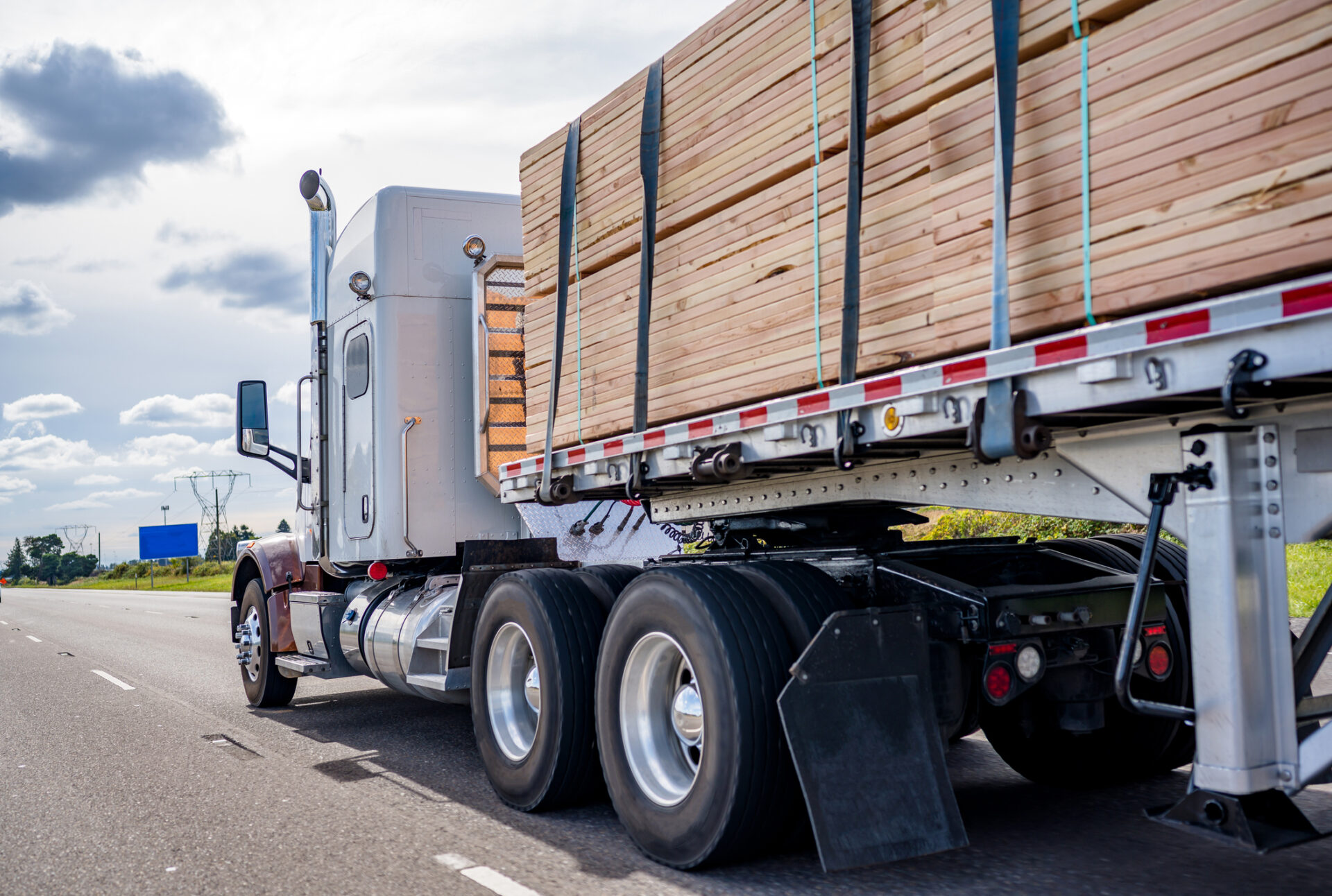
Tariffs and trade uncertainty continue to create challenges for the lumber and building materials industry, affecting everything from purchasing decisions and inventory management to construction costs and housing affordability. For independent lumber dealers, the consequences of trade policy are felt directly in day-to-day business operations.
Canada remains a critical trading partner for the United States, with the two countries conducting approximately $1 trillion in trade annually. During recent meetings in Boston, Canadian Ambassador to the United States Mark Wiseman emphasized the depth of this economic relationship and the importance of maintaining reliable cross-border commerce.
Wiseman noted that trade with the United States remains up 27% since the signing of the United States-Mexico-Canada Agreement (USMCA). The agreement is scheduled to remain in place until 2036, subject to its review and other applicable provisions. However, tariffs imposed under Section 232 of U.S. trade law have created significant challenges for industries on both sides of the border, including lumber and building materials.
According to Wiseman, these tariffs have harmed Canadian and American industries and contributed to affordability challenges. He also described a fundamental difference between the Trump administration and the Canadian government regarding trade policy.
Despite these disagreements, Wiseman emphasized the importance of continued communication. He indicated that formal discussions on tariff and trade issues had not taken place since August, although communication between the two governments had continued, with no period of silence lasting longer than 48 hours.
Both countries, he explained, want to reach an agreement, but neither has been willing to accept the terms proposed by the other. Wiseman cautioned that tariffs are likely to remain in place for the foreseeable future, making incremental progress and continued engagement especially important.
For independent lumber dealers, these developments have practical consequences. Canada is an important source of lumber and other building materials for the U.S. market, and changes in trade policy can affect prices and purchasing decisions throughout the industry.
Frequent price changes can make it difficult for dealers to provide reliable customer quotes, maintain pricing commitments, manage inventory, and plan purchases. Businesses may find themselves caught between suppliers adjusting prices and customers already navigating elevated construction costs.
The effects extend beyond lumber to products such as doors, roofing, hardware, millwork, and other materials used in residential construction and renovation. These challenges can affect business margins, project budgets, customer confidence, and the ability to deliver materials on time.
The consequences also extend to housing affordability. Lumber and building materials are essential inputs in new home construction, remodeling, and repairs. When material costs rise or become unpredictable, builders and contractors face greater difficulty developing accurate project budgets. Homeowners can ultimately experience higher costs, project delays, or changes to their construction and renovation plans.
Trade policy alone cannot resolve the Northeast’s housing challenges. However, maintaining reliable supply chains, reducing unnecessary uncertainty, and promoting constructive engagement between the United States and Canada are important parts of the broader discussion about the cost of building and maintaining homes.
Wiseman also highlighted the importance of regional economic relationships, noting that Canada is the top trading customer for 31 U.S. states and ranks among the top three customers for all 50 states. These connections demonstrate why cross-border trade is important not only at the national level, but also to regional businesses and local economies throughout the Northeast.
For the building materials industry, the path forward will require continued engagement, open communication, and greater predictability in the trade environment. Understanding how tariffs affect independent dealers and their customers is essential to ensuring that policymakers consider the real-world consequences of their decisions.
In Part 3 of this series, we’ll explore how ABMA is building relationships with Canadian officials and regional business organizations to strengthen industry advocacy, advance shared priorities, and work toward a more predictable trade environment that supports lumber dealers, suppliers, and the communities they serve.
For additional information, contact ABMA Director of Legislative & Regulatory Affairs Kevin Scorsone at kscorsone@nrla.org or call 518-880-6376.