This is the final installment in a three-part series examining the U.S.-Canada trade relationship and its impact on the lumber and building materials industry. Read Part 2 here.
The U.S.-Canada trade relationship remains an important priority for the lumber and building materials industry. As tariffs and trade uncertainty continue to affect businesses on both sides of the border, strong relationships and continued engagement with policymakers are increasingly important.
For the American Building Materials Alliance (ABMA), that engagement extends beyond Washington, D.C. Building relationships with Canadian representatives, regional business organizations, and state policymakers creates opportunities to communicate industry concerns and advance shared priorities.
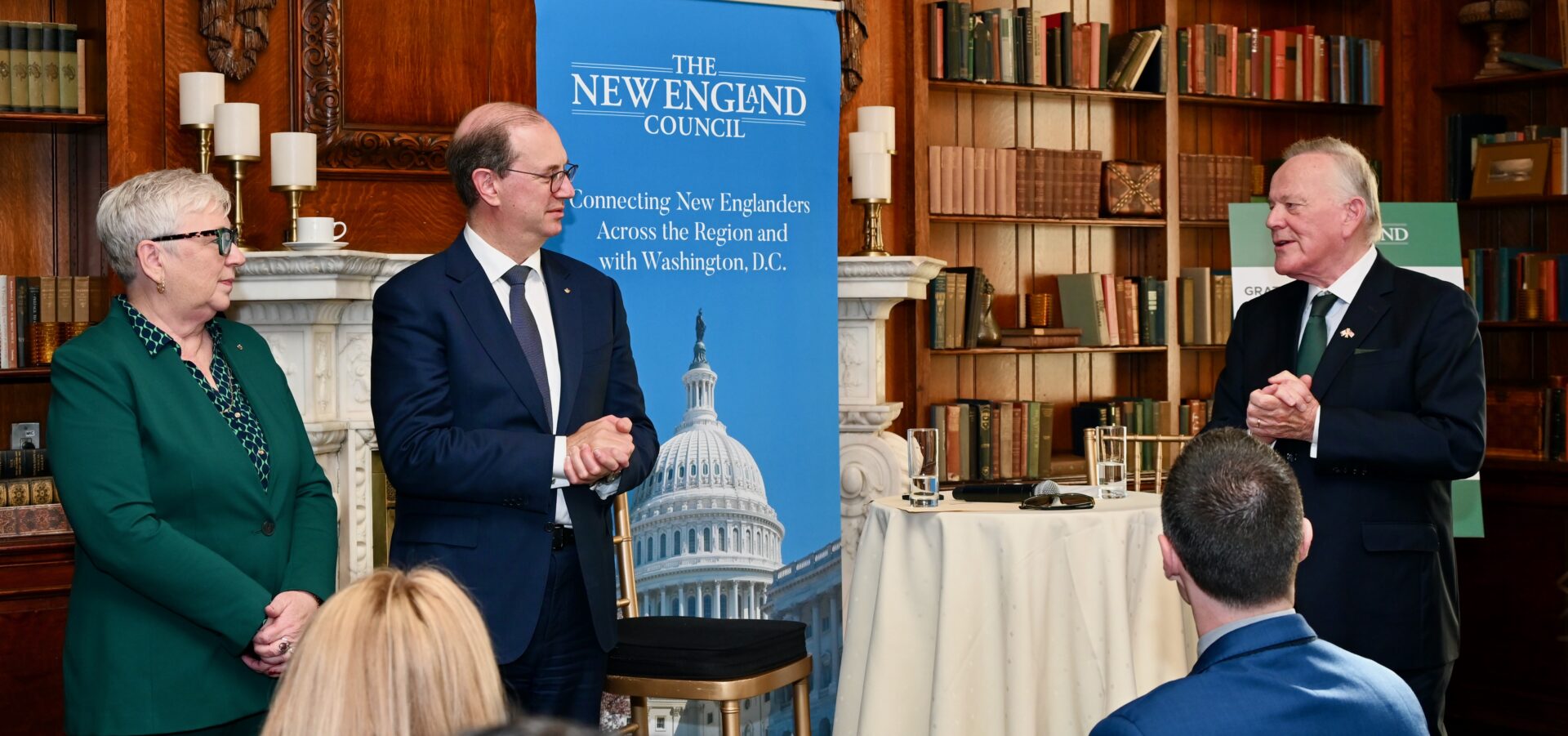
Recent meetings in Boston provided an opportunity to strengthen those connections. Kevin Scorsone, Director of Legislative & Regulatory Affairs for ABMA, met with Canadian Ambassador to the United States Mark Wiseman and established connections with representatives from the Canadian Consulate and other Canadian officials serving the Northeast.
Scorsone is also working to coordinate follow-up meetings with Canadian representatives to continue conversations about trade policy, tariffs, and the economic relationship between the two countries.
Building Regional Partnerships
In addition to engaging with Canadian officials, ABMA is exploring opportunities to strengthen relationships with regional business organizations.
During his visit to Boston, Scorsone met with representatives of the New England Council to begin discussions about a potential partnership focused on housing, homebuilding, and the building materials supply chain.
The New England Council has advocated for federal policies opposing tariffs it considers harmful to regional businesses. Its work presents an opportunity to identify shared priorities and bring together organizations interested in supporting housing availability, construction, and economic growth.
Housing affordability, construction costs, and supply chain reliability affect businesses, contractors, homeowners, and communities throughout the Northeast. By working alongside regional organizations, ABMA can help elevate the role of the building materials industry in addressing these challenges.
Connecting Industry Advocacy to Policymakers
The conversations in Boston reinforced the importance of maintaining relationships with decision-makers at multiple levels of government.
Ambassador Wiseman emphasized the importance of regional economic relationships between the United States and Canada, noting that Canada is the top trading customer for 31 U.S. states and ranks among the top three customers for all 50 states.
For businesses throughout the Northeast, these connections demonstrate how closely regional economies are tied to cross-border commerce.
ABMA’s engagement with Canadian representatives provides an opportunity to communicate how trade decisions affect businesses in local communities. Tariffs and shifting trade policies can influence material costs, purchasing decisions, inventory management, and the ability of dealers to provide reliable pricing to customers.
While ABMA cannot independently resolve international trade disputes, continued engagement can help ensure policymakers understand the practical consequences of their decisions. These relationships also create opportunities to share industry perspectives, identify common interests, and advocate for greater predictability.
Looking Ahead
The meetings in Boston represent an important step in ABMA’s continued efforts to strengthen industry relationships and expand its advocacy reach.
As discussions surrounding U.S.-Canada trade relations continue, ABMA will remain engaged with Canadian officials, regional business organizations, and policymakers to ensure the concerns of independent lumber and building material dealers are represented.
Effective advocacy requires more than responding to individual policy decisions. It requires building relationships, maintaining open communication, and working with partners who share an interest in strengthening the industries and communities that depend on reliable trade and a competitive construction market.
Through continued engagement and collaboration, ABMA will work to advance a more predictable business environment, support the building materials supply chain, and ensure the industry’s voice remains part of the conversation surrounding trade and housing affordability.
For additional information, contact ABMA Director of Legislative & Regulatory Affairs Kevin Scorsone at kscorsone@nrla.org or call 518-880-6376.