When the bipartisan Build America Caucus released its Build More Agenda in October 2026, it put a straightforward idea at the center of the housing debate: America cannot close its housing gap if materials, regulations, freight, and labor continue to become more expensive and unpredictable.
For independent lumber and building-material dealers, that issue is immediate. Dealers sit between manufacturers and the job site, absorbing material-price volatility, navigating local codes, and delivering products only after projects secure financing, permits, and labor.
The caucus, co-chaired by Reps. Josh Harder (D-CA) and Celeste Maloy (R-UT), includes 43 House members and outlines more than 60 proposals. Its housing agenda calls for five million additional homes through zoning reform, housing near transit, reuse of government land, lower material and regulatory costs, expanded financing, and implementation of the 21st Century ROAD to Housing Act.
Material Costs Matter
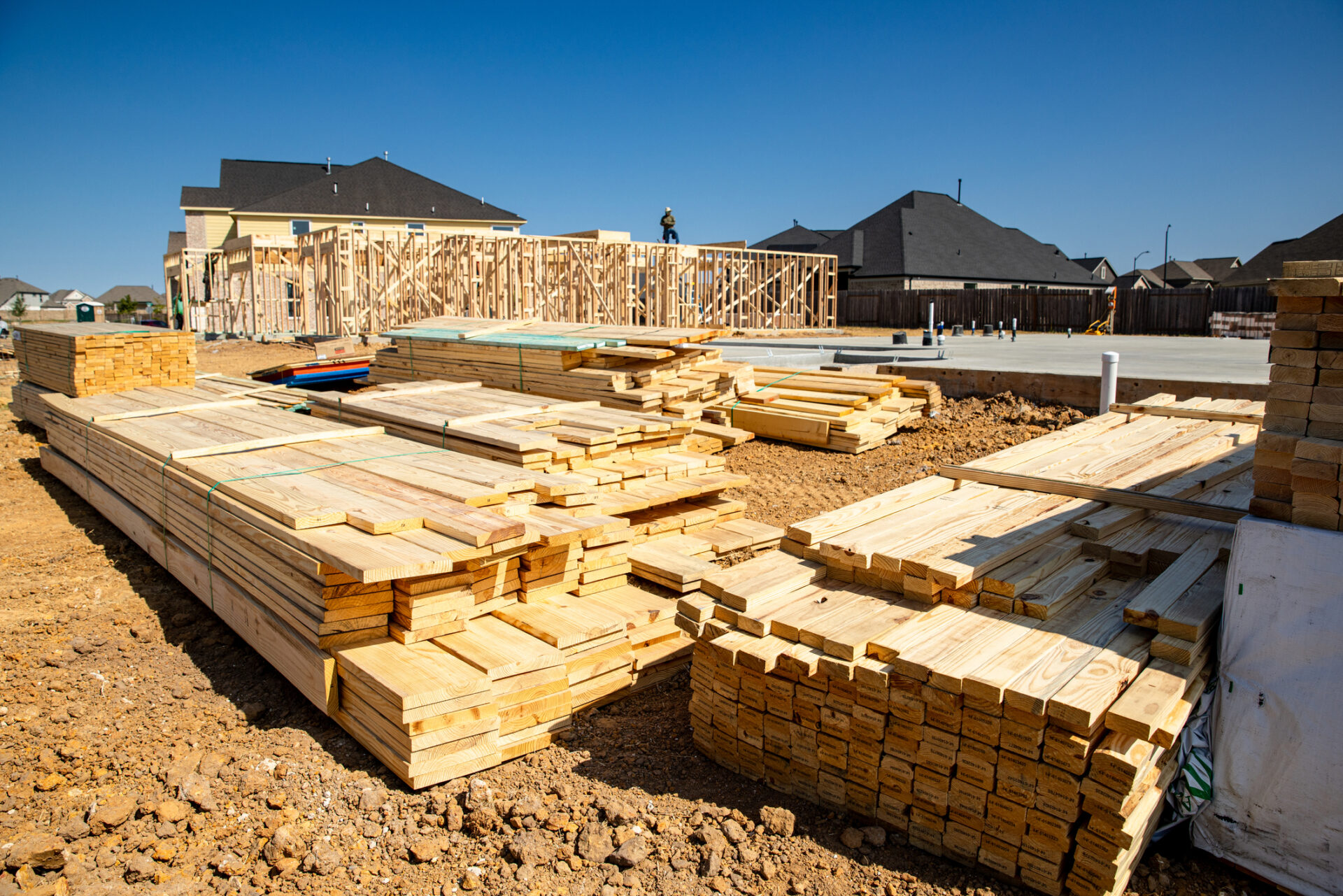
The agenda’s clearest connection to ABMA priorities is targeted tariff relief for residential construction materials, including lumber, steel, aluminum, and equipment. The caucus estimates residential-construction input costs have risen 42% over five years and that tariffs have added $11,000 to the cost of a single-family home.
For dealers, the key is predictability. Relief is most useful when it clearly identifies covered products, establishes an effective date, and provides enough certainty for dealers and contractors to plan purchases and pricing. Temporary or unclear exclusions can create additional uncertainty.
The agenda also proposes exempting affordable-housing projects from Build America, Buy America domestic-content requirements. The caucus estimates those rules can increase project costs by 15% to 25%. A targeted exemption could expand product availability and reduce compliance burdens, depending on how the policy is ultimately implemented.
Codes and Construction
The caucus also calls for greater consistency in building-code adoption and support for performance-based standards that allow innovative materials and construction methods to meet safety requirements.
That aligns with ABMA’s Building Homes Not Costs framework. For dealers operating across multiple jurisdictions, inconsistent codes can mean additional SKUs, conflicting specifications, and inventory that cannot easily move from one market to another.
The agenda also highlights mass timber, including efforts to coordinate oversized-load approvals for engineered-wood components. More consistent transportation rules could help reduce delays and expand opportunities for dealers involved in these projects.
Five Million Homes Is a Demand Signal
The goal of five million additional homes could create significant demand for framing lumber, panels, engineered wood, roofing, insulation, windows, doors, and other building materials.
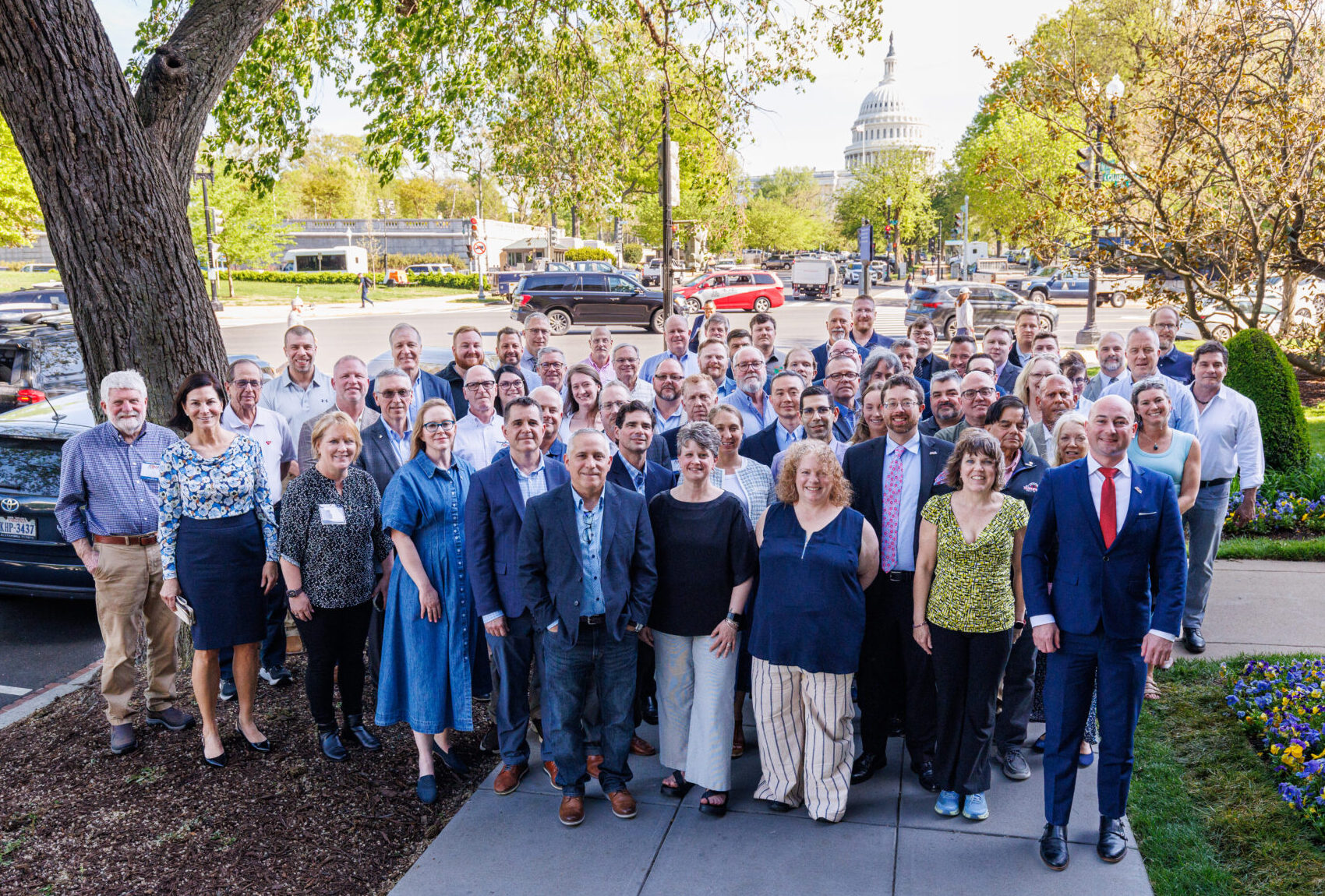
But production targets alone do not create dealer orders. Projects still need financing, zoning approvals, permits, utilities, workers, and buyers. The same is true of the ROAD to Housing Act, which ABMA identified as a priority during its April 2026 Advocacy Day. Implementation, funding, agency guidance, and oversight will determine whether the law translates into actual construction.
The Entire Supply Chain Matters
The agenda also addresses freight and workforce issues important to dealers, including expanded truck parking, portable occupational licenses, apprenticeships, and streamlined workforce training.
For ABMA members, the broader message is clear: housing policy works only when the entire construction supply chain works.
Zoning and financing determine whether a project can begin. Material prices, codes, permitting, transportation, dealer capacity, and skilled labor determine whether it can be completed affordably.
Independent lumber and building-material dealers are the link between those federal housing goals and the materials that ultimately reach the job site. Any effort to build more homes will need to account for that link.